A Sunday Scroll.
It feels like another lifetime now, but it was only 2021. I was working as a Senior Field Deputy for an elected official in the City of Los Angeles, deep in the heart of the pandemic. As a public servant—and an essential worker—eighty-hour weeks were routine. Sunday was my only day off.
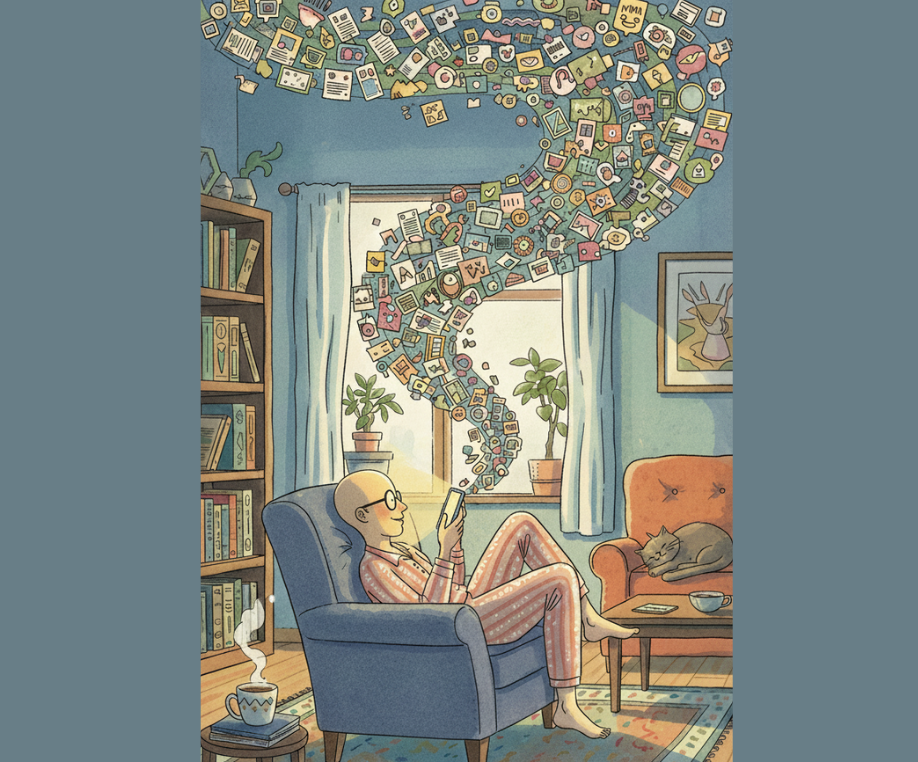
My mother was still alive then, nearing her ninety-fifth birthday, and I was caring for her as well. I had moved her from Seattle four years earlier, around the same time I began working for the city. Sundays became a small island of escape. I would lie on the couch and mindlessly scroll through YouTube, trying to give my brain a break from the daily grind: homelessness in the U.S., a global pandemic tearing through Los Angeles, and the sense that everything felt heavier by the week.
It was on one of those Sundays that I stumbled onto a video about Paraguay.
The video covered the basics. Paraguay is landlocked. Statistically, it’s one of the poorer countries in South America. In the nineteenth century, it was devastated by one of the most brutal wars in recorded history. From the late 1940s until 1989, it lived under a long and oppressive dictatorship. Not exactly a tourism pitch.
But then the video shifted. Paraguay, it explained, is considered one of the most racially mixed countries in the world. Roughly 90 percent of the population is bilingual, speaking both Spanish and Guaraní. And then came the detail that stopped me cold: beginning in 2010, Paraguay had been ranked—year after year—by Gallup as the most positive and mentally well country on Earth.
Not one of the most positive. The most positive.
After war, dictatorship, and economic hardship.
I couldn’t stop thinking about it. Here was a country tucked between two South American giants—Argentina and Brazil—that seemed almost invisible in the broader cultural conversation. There were passing references, of course: a mention in Candide, Roland Joffé’s The Mission (shot in Colombia, not Paraguay), Iggy Pop’s fever-dream song “Paraguay,” and an episode of Inspector Morse in which a wealthy young man flees there to escape his family. But contemporary Paraguay? Life on the ground? Almost nothing.
Then everything shifted.
In 2022, my mother passed away. My boss lost his election. And I came into enough money to reconsider what I wanted the next chapter of my life to look like.
I bought a house in Athens, Georgia, decided to return to filmmaking, and finally made plans to visit Paraguay—not as a tourist, but as a question. Was there a film there? A story about happiness, about unhappiness, about how people make meaning in a complicated world?
My first trip was in March 2023, timed to coincide with the Asuncionico music festival. I stayed downtown, went to shows, wandered coffee shops, and talked to anyone who would talk to me. At the festival, I watched Billie Eilish—whose family I had known back in the U.S.—sing to tens of thousands of young Paraguayans who knew every word to every song. I also discovered performers who would later become part of my film, including The Eeeks and Bianca Orqueda.
More importantly, I walked. I listened. I spoke English, mangled Spanish, and often some hybrid of the two. People were open. Curious. Warm.
Back in Georgia, I began seriously researching whether the film I imagined was even possible on a modest budget. Almost immediately, a friend mentioned that one of the foremost American scholars on Paraguay lived just a couple of miles away. Thomas Whigham, a retired University of Georgia professor, had written the definitive history of the Paraguayan War.
Professor Whigham, in turn, connected me with a writers’ group in Paraguay. Through them, I met Lilian Aliente. She agreed to help with the project and quickly became both a producer on the film and an invaluable guide to Paraguayan history, culture, and contemporary life.
I returned to Paraguay again and again, interviewing writers, artists, musicians, and people from all walks of life—asking how they understood their country, their sense of community, and their hopes for the future. In the summer of 2024, I brought a small U.S. crew to shoot the bulk of the film. It isn’t only about Paraguay; part of the story unfolds in the United States as well.
Since then, we’ve continued filming. I hired a Paraguayan editor filmmaker, Jimena Roman. We secured outside funding. The project is now in its final stages.
Along the way, I bought a small house in Luque. I attended Christmas Mass at St. Mark’s Church in New York City with members of the Paraguayan diaspora. Somewhere in the process, I fell in love—with the country and with its people.
Paraguay has problems, like any nation. I don’t romanticize that. But the positivity, the ease of human connection, and the everyday kindness—the smiles I get at my local Starbucks and neighborhood coffee shop in Luque—mean more to me than I can easily explain.
I still own my house in Athens and am currently part of a new Documentary Film Laboratory at the University of Georgia. Someday, I hope to bring these two worlds together more fully. For now, my focus is on finishing the film—The Year of the Eclipse—and helping my students complete their own projects.
We plan to begin presenting the film to festivals in May and June, with the hope of a wider release in the spring of 2027.
Sometimes, a Sunday scroll changes everything.
Hoy parece otra vida, pero era apenas 2021. En ese momento trabajaba como Subdirector de Campo Senior para un funcionario electo en la ciudad de Los Ángeles. Estábamos en pleno corazón de la pandemia y, como servidor público y trabajador esencial, las semanas de ochenta horas eran la norma. El domingo era mi único día libre.
Mi madre todavía vivía entonces y estaba a punto de cumplir noventa y cinco años. Yo también la cuidaba. La había traído de Seattle cuatro años antes, más o menos cuando empecé a trabajar para la ciudad. Los domingos se convirtieron en una pequeña isla de descanso. Me tiraba en el sofá y desplazaba sin pensar por videos de YouTube, intentando desconectarme de temas más pesados: la crisis de vivienda en Estados Unidos, una pandemia que devastaba Los Ángeles y el mundo, la sensación constante de que todo se volvía más grave cada semana.
Fue en uno de esos domingos cuando me encontré, casi por accidente, con un video sobre Paraguay.
El video repasaba datos básicos. Paraguay es un país sin salida al mar. Estadísticamente, uno de los más pobres de América del Sur. En el siglo XIX sufrió una de las guerras más brutales de la historia moderna. Desde fines de los años cuarenta hasta 1989 vivió bajo una larga dictadura. No parecía, a primera vista, una historia optimista.
Pero luego el tono cambió. Paraguay —decía el video— es considerado uno de los países más mestizos del mundo. Cerca del 90 por ciento de la población es bilingüe y habla tanto español como guaraní. Y entonces llegó el dato que me dejó perplejo: a partir de 2010, Paraguay comenzó a aparecer, año tras año, como el país más positivo y mentalmente sano del mundo en un estudio de Gallup.
No uno de los más positivos. El más positivo.
Después de una guerra devastadora, una dictadura prolongada y décadas de dificultades económicas.
Me obsesioné. Aquí había un país del hemisferio sur, encajado entre dos gigantes —Argentina y Brasil—, prácticamente invisible en la conversación cultural global. Había referencias aisladas: una mención en Cándido, la película La Misión de Roland Joffé (filmada en Colombia), la canción “Paraguay” de Iggy Pop, un episodio de Inspector Morse donde un joven rico huye allí para escapar de su familia. Pero sobre el Paraguay contemporáneo, sobre la vida cotidiana, había muy poco.
Luego todo cambió.
En 2022, mi madre falleció. Mi jefe perdió su elección. Y, casi al mismo tiempo, recibí un dinero inesperado que me permitió replantear mi vida.
Compré una casa en Athens, Georgia, decidí volver al cine documental y finalmente planifiqué un viaje a Paraguay, con la intención de descubrir si allí había una película. Una película sobre la búsqueda de la felicidad, las causas de la infelicidad y el estado actual del mundo.
Mi primer viaje fue en marzo de 2023, coincidiendo con el festival Asuncionico. Me alojé en el centro, fui a conciertos, recorrí cafés y hablé con cuanta gente pude. En el festival vi a Billie Eilish —cuya familia conocía en Estados Unidos— cantando con una intensidad feroz frente a decenas de miles de jóvenes paraguayos que sabían cada palabra de cada canción. También descubrí artistas que terminarían formando parte de mi película, como The Eeeks y Bianca Orqueda.
Pero, sobre todo, caminé. Escuché. Hablé en inglés, en un español bastante malo y, muchas veces, en una mezcla de ambos. La gente era abierta, curiosa, generosa.
De regreso en Georgia, empecé a investigar seriamente si el proyecto era viable con un presupuesto limitado. Casi de inmediato, un amigo me comentó que uno de los mayores expertos en Paraguay en Estados Unidos vivía a apenas unos kilómetros de mi casa. Thomas Whigham, profesor retirado de la Universidad de Georgia, había escrito la historia más completa sobre la Guerra Guasu .
El profesor Whigham, a su vez, me puso en contacto con un grupo de escritores en Paraguay. A través de ellos conocí a Lilian Aliente, quien aceptó colaborar con el proyecto y rápidamente se convirtió en productora del film y en una fuente invaluable de conocimiento sobre la historia, la cultura y la vida contemporánea paraguaya.
Volví a Paraguay varias veces para entrevistar a escritores, artistas, músicos y personas de todos los ámbitos, preguntándoles cómo veían su país, su comunidad y el futuro. En el verano de 2024 llevé un pequeño equipo desde Estados Unidos para filmar la mayor parte de la película. No es una historia exclusivamente paraguaya: parte del film transcurre en Estados Unidos.
Desde entonces seguimos rodando. Contraté a una editora paraguaya, la cineasta Jimena Roman. Conseguimos financiamiento externo. El proyecto está ahora en su etapa final.
En el camino, compré una pequeña casa en Luque. Asistí a la misa de Navidad en la iglesia de St. Mark’s, en Nueva York, junto a miembros de la diáspora paraguaya. Y, casi sin darme cuenta, me enamoré del país y de su gente.
Sé que Paraguay tiene problemas, como cualquier lugar del mundo.
No lo idealizo. Pero la positividad, la calidez humana, la facilidad para conectar —las sonrisas que recibo en el Starbucks de mi barrio y en mi cafetería habitual en Luque— son algo profundamente valioso para mí.
Sigo teniendo mi casa en Athens y actualmente formo parte de un nuevo Laboratorio de Cine Documental en la Universidad de Georgia. Algún día me gustaría unir más plenamente estos dos mundos. Por ahora, mi prioridad es terminar la película que estoy haciendo, El Año del Eclipse, y ayudar a mis estudiantes a completar sus propios proyectos.
Planeamos presentar el film en festivales en mayo y junio, con la esperanza de un estreno más amplio en la primavera de 2027.
A veces, un domingo cualquiera —y un video visto sin pensar— puede cambiarlo todo.